Highlights of 2019 AFCON

Egypt 0-1 South Africa
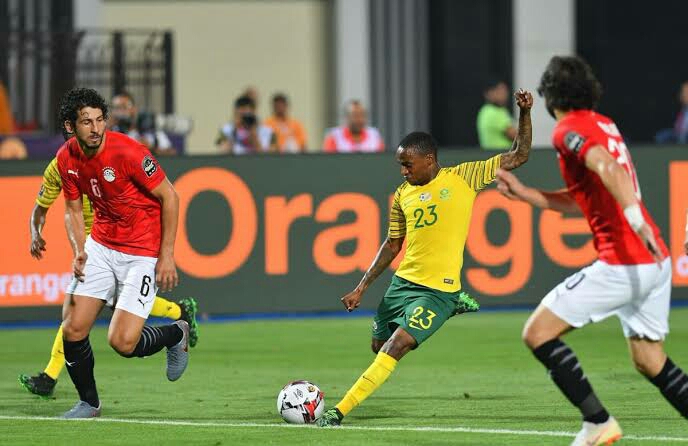
Thembinkosi Lorch was the hero as South Africa’s Bafana Bafana dumped Egypt out of their home Africa Cup of Nations tournament in Cairo.

men from Mzansi produced an incredible performance at the International Stadium on Saturday night, defying their dodgy group performance and then some to reach the quarter-finals.

Recalled forward Lorch was making his first start of the competition and sealed a scarcely believable victory late in the second half with an ice-cool finish.

But it was the epitome of a team effort with Bongani Zungu and Dean Furman bossing the midfield for large parts at an intensity previously unseen by South African fans.
A couple of early efforts from Percy Tau signaled true attacking intent for the first time in the tournament for Bafana, with Mohamed Salah misfiring in between.

Nigeria 3-2 Cameroon – Igahlo brace, Iwobi goal.
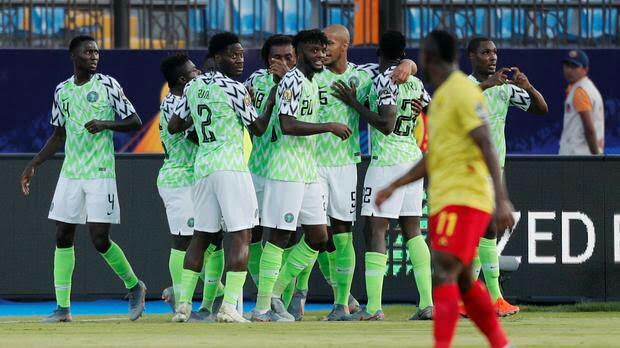
The Super Eagles took flight in a thrilling 3-2 victory in Alexandria on Saturday.
China-based forward Ighalo bundled home a scrappy opener but Clarence Seedorf’s Cameroon hit back through Stephane Bahoken and Clinton Njie with two quick-fire goals before half-time.

Ghana vs Tunisia
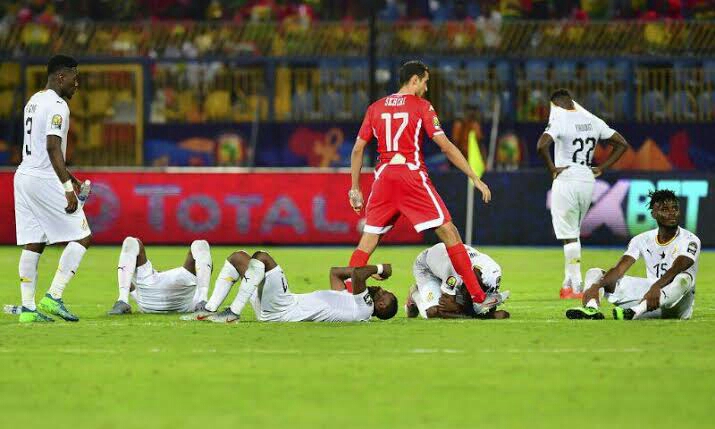
Tunisia beat Ghana 5-4 on penalties to end a 54-year Africa Cup of Nations losing streak against the Black Stars.
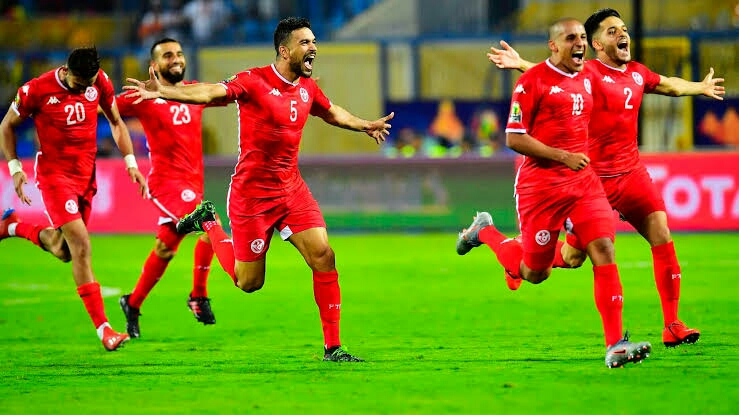
Victory was sweet for Tunisia as they had lost six times to Ghana in the African football showcase from 1965 after drawing the first meeting between the nations two years earlier.

Senegal vs Algeria (final)

Algeria forward Baghdad Bounedjah celebrates his winning goal.
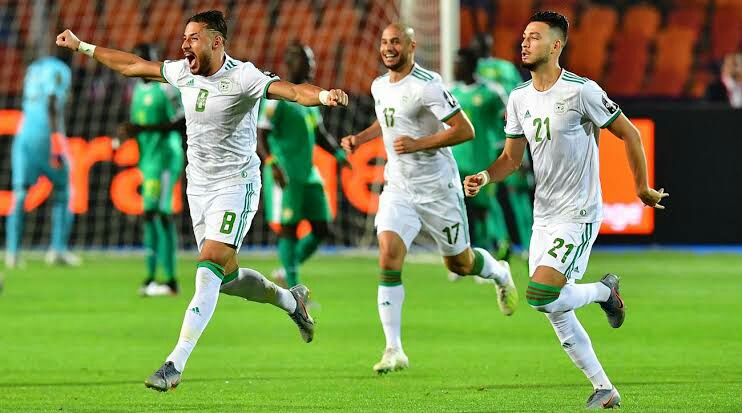
A second-minute goal from Baghdad Bounedjah was enough for Algeria to seal a 1-0 win against Senegal in the Africa Cup of Nations final.
It was an unusual goal that ultimately sealed the title as Bounedjah’s shot pinged off Salif Sane’s leg before looping into the back of the net, with Senegal goalkeeper Alfred Gomis left stranded.
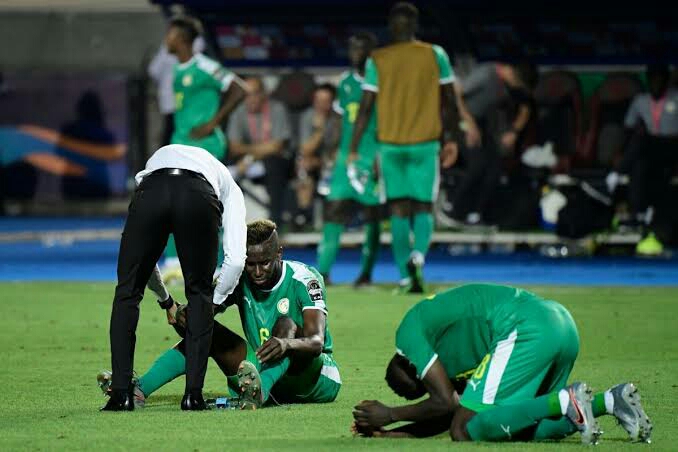
But Senegal’s defeat was not through lack of trying. They had 62.2 per cent of possession and some superb second-half chances, as well as a withdrawn penalty after a VAR review.
They were unable to go one better than their last appearance in an Africa Cup of Nations final in 2002, while Algeria have won the competition for the second time.
The highest paid African footballer s

Football is by far the most popular sport globally. Like other continents, Africa hasn’t been left behind in producing some of Football best players. Apart from representing their countries these players, have joined various top clubs where they earn handsomely.
So, without further ado here are the highest paid African footballers in 2019.

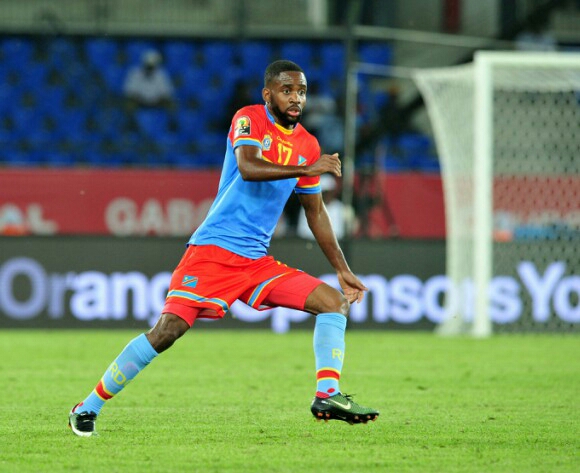
1. Cedric Bukambu – £307,000

Cedric Bukambu Joined Chinese SuperLeague side Beijing Guoan Last year in January from Villarreal at a fee of £65 Million making him the most expensive African footballer.
The Democratic Republic of Congo international earns £307,000 per week and he is the third highest paid player in Chinese Super league with only Brazilian duo of Oscar and Hulk making more weekly.

2. Mohamed Salah – £200,000

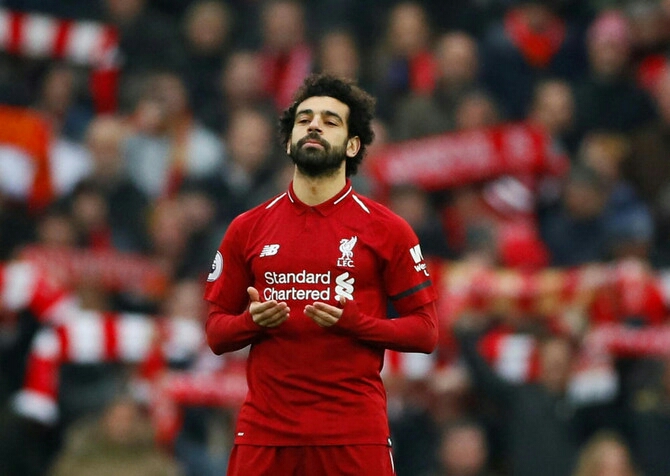
The Liverpool and Egypt forward has been one of best players worldwide in recent times.
Following a stellar first season with Liverpool where he scored 43 goals for the reds, he extended his contract where he would earn £200,000 a week.

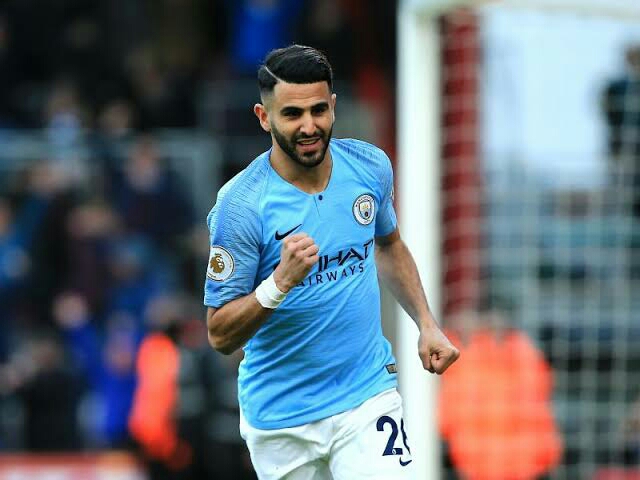
3. Riyad Mahrez – £200,000

The Algerian joined Manchester city last year in the summer from Leicester city signing a 5 year deal. The midfielder has been one of the continents best players for a while now.

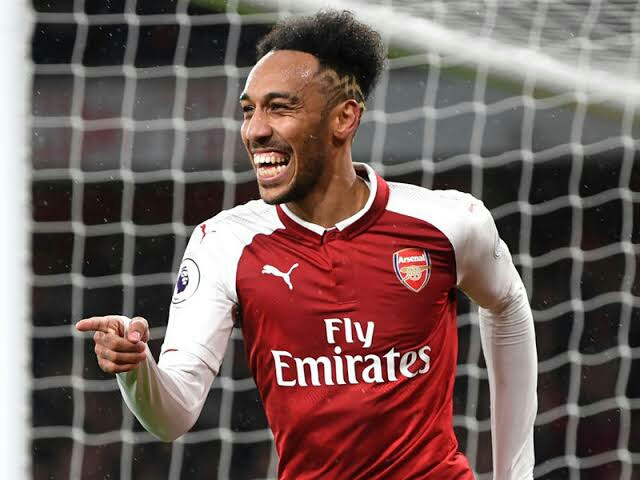
4. Pierre Emrick Aubameyang – £198,000

After five remarkable years with Borussia Dortmund Pierre Aubameyang left them for Arsenal and signed a 3 year contract. According to the Daily mail the striker earns £198,000 a week with the Gunners.

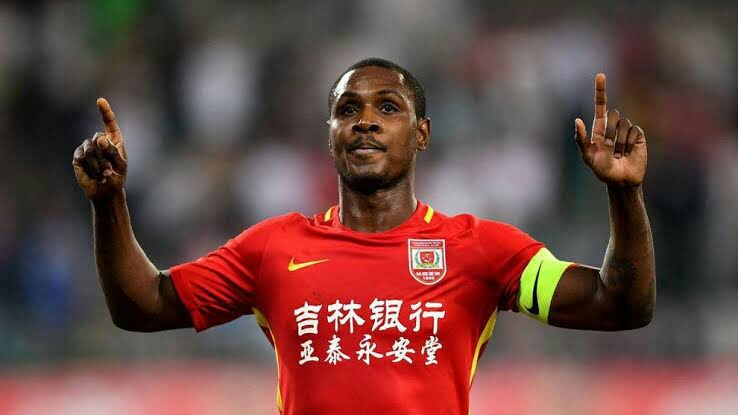
5. Odion Ighalo – £190,000

The Nigeria international currently plays for chinese side Changhon Yatai, where he earns a whopping £190,000 every week.

The most successful African Football national team

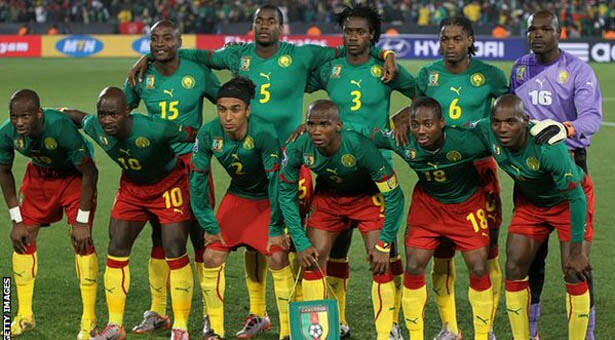
1. Cameroon

The Indomitable Lions of Cameroon are the greatest African team of all-time in overall history and history of World Cup final tournament, Holds the record most appearances in World Cup with seven.

Cameroon qualified for World Cup for the first time in 1982 and it was the first African team to reach the World Cup quarter-final and this affected positively the history of African football because FIFA increased the number of African teams in World Cup.

Indomitable lions hold the record most consecutive appearances in World Cup for African teams with four between 1990 and 2002. In 2003, Cameroon became the only African team to reach FIFA confederation cup final match.

Cameroon honours:
Central African Championship :
Champions (4),
Runner-Up (2).
African Cup of Nations :
Champions (4),
Runner-Up (2),
Third Place (1),
Fourth Place (1).

Afro-Asian Cup of Nations : Winner (1)
Olympic Games : Gold Medal (1)
FIFA Confederation: Runner-Up (1)
FIFA World Cup qualification: (7) and reached Quarter finals 1 time.

The highest paying sport in the world. 3 Auto tracing.

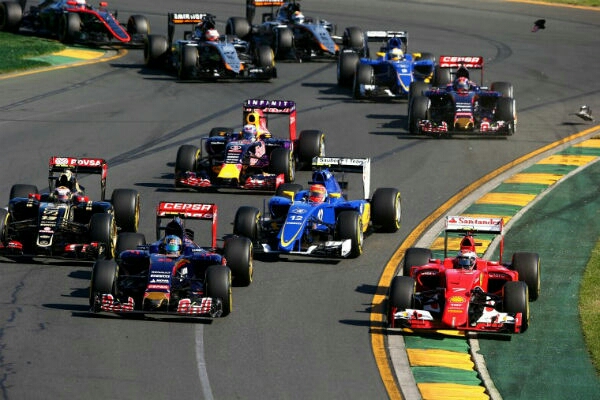
Several racing events such as the Grand Prix of Formula1 or NASCAR earns its reputation for being one of the highest paying events in the sports universe.

The involvement of risks is compromised by great winning amounts and several endorsements of reputed brands.

F1 legend Michael Schumacher achieved the first place of the Forbes list of Richest Players in 1999 with a total income of $49 million.
He again achieved the same in 2000 with $59 million.

Long before that, Ayrton Senna achieved the 3rd place of Forbes list of Richest Players in 1992 with $22 million. And the same year Nigel Mansell also achieved the 4th place on the list with a total income of $14.5 million.

The highest paying sport in the world. 2 Boxing.

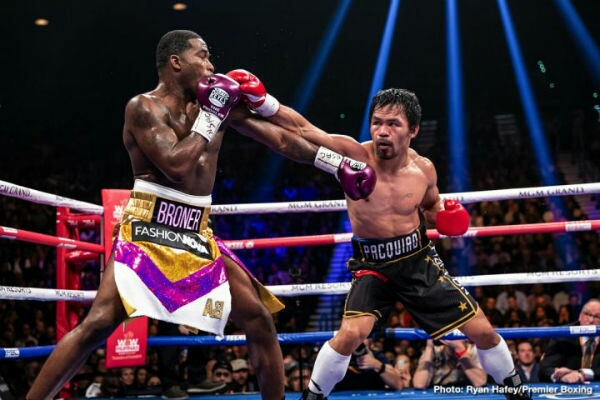
The game of boxing has also made its mark among the very best paying sporting event . It also earns its place as one of the most dangerous sports of modern days.

Well-known boxers earn huge amounts as their tournament prize money. They also get good amounts of profit from Pay-Per-View commissions, betting, and endorsements.

One of the greatest boxers Mike Tyson topped the Forbes list in 1991 with $28.6 million. He again repeated the same in 1996 with a total income of $75 million.

Former international boxer Evander Holyfield topped the Forbes list of Richest Players with $60.5 million in 1992.After a short break as a contribution of the boxer in the Forbes list of Richest Players, Floyd Mayweather topped the list with $85 million income in 2012 and again achieved the first place in 2014 with $105 million income.

The highest paying sport in the world. 1 Basketball.

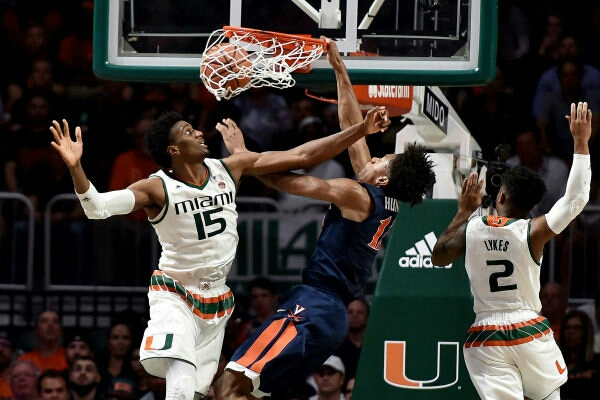
Famous basketball tournaments such as the NBA received its compliments for being among the highest paying sports leagues .

The participants get huge amounts of salary from their respected teams. Besides, they also earn millions from numerous the endorsements.

They have their signature shoes and jerseys to boost their yearly income. Basketball player Michael Jordan tops the Forbes list of Richest Players with $35.9 million in 1992. And now, it also holds its place among the most popular sports in America.

He then achieved $36.0 million in 1993, $30.01 million in 1994, $43.9 million in 1995, $78.3 million in 1997 and $69 million in 1998. Another legendary basketball player Shaquille O’Neal achieved the 6th place in the Forbes list of Richest Players.

He has earned $15.2 million in 1993 and again achieved the 2nd place with $16.7 million in 1994.Sports can bring an athlete immense wealth and fame. That’s what attracts many youngsters to a career in this area. However, it takes more than just the desire for wealth and fame to be a good sportsperson.

One needs an acute love and skill, without which, one cannot give his best. While sports can bring money and name, these rewards will only come as a result of hard work. So, what do you think of the world’s Highest Paying Sports ? Let us know in the comments!

Highlights of London Marathon 2019

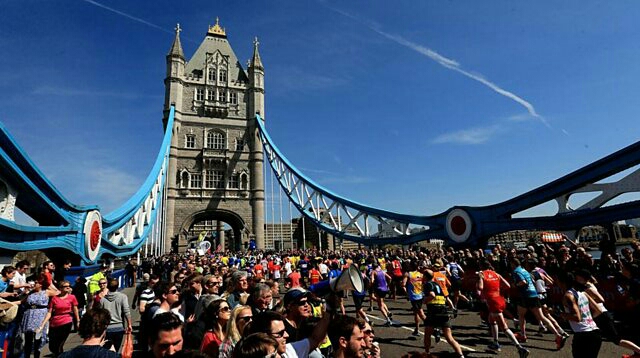
It was a pretty exciting London Marathon for many reasons. The pre-race press conference went a bit weird, and the days leading up to the race were dominated by strange stories. Mo fell off a treadmill at the expo.

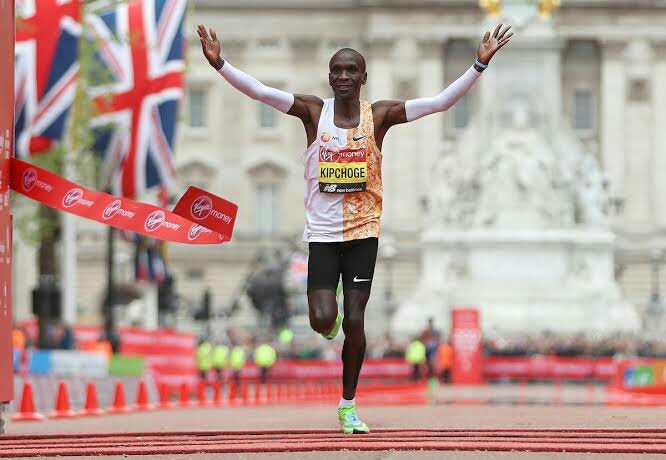
Then he got back on it and fell off it again. Like I say, it wasn’t dull.But the race itself went much more to script. As expected Eliud Kipchoge dominated the men’s race, looking super cool the whole way through.

Then, when the time came, he just seemed to stretch his legs a bit more and open up a 20 second lead. He smiled, he waved, he looked like he was out for an easy long run. But he still finished in a blinding 2.02.37.

Eliud Kipchoge smiles his way to the finish Photo: Joe Toth for Virgin Money London Marathon.

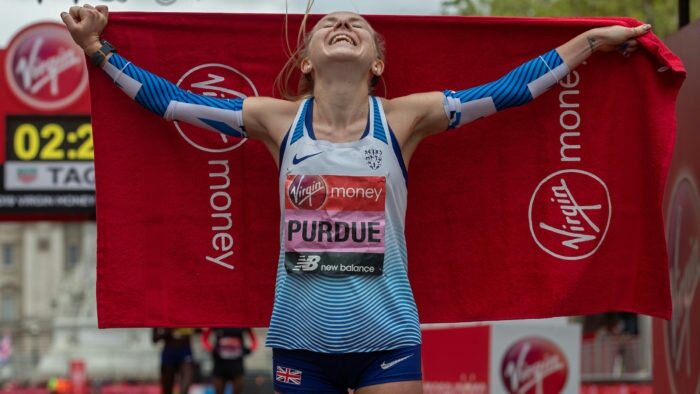
The women’s race was a bit more open and it looked for a while like a big upset might be on the cards as Australia-based (but Irish born) Purdue, frustrated with the slow pace, took it on. She was eventually caught but hung on for a fantastic 10th and a PB of 2.24.11 at the age of 35.

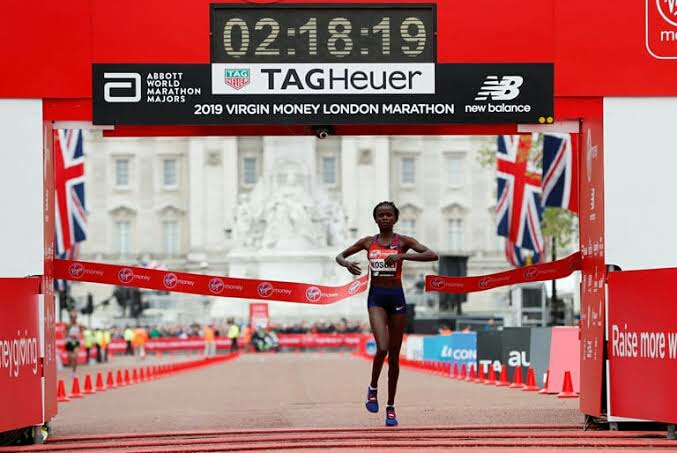
Brigid Kosgei won in 2.18.19, with almost two minutes between her and second-placed Vivian Cheruiyot, in what was apparently the fastest second half of a marathon run by a woman ever (66 mins).

Anti-doping testing program

In 2015, a whistleblower leaked IAAF’s blood test records from major competitions.The records revealed that, between 2001 and 2012, athletes with suspicious drug test results won a third of the medals in endurance events at the Olympics and World Championships—a total of 146 medals including 55 golds—but the IAAF caught none of them.

After reviewing the results, Robin Parisotto, a scientist and leading “anti-doping” expert, said, “Never have I seen such an alarmingly abnormal set of blood values.So many athletes appear to have doped with impunity, and it is damning that the IAAF appears to have idly sat by and let this happen.”

Craig Reedie, president of the World Anti-Doping Agency (WADA), said his organisation was “very disturbed by these new allegations which will, once again, shake the foundation of clean athletes worldwide”, and that its “independent commission will investigate the claims”.

Around the same time, the University of Tübingen in Germany claimed that the IAAF suppressed publication of a 2011 report in which “hundreds of athletes”, as many as a third of the world’s top athletes, “admitted violating anti-doping rules”.

On 1 November 2015, former IAAF president Lamine Diack was arrested in France and is under investigation on suspicion of corruption and money laundering.Diack allegedly accepted “$1.2 million from the Russian athletics federation to cover up the positive doping tests of at least six Russian athletes in 2011.”

In November 2015, WADA published its report, which found “systemic failures” in the IAAF had prevented an “effective” anti-doping programme and concluded that Russia should be banned from competing in international competitions because of its athletes’ test results.

The report continued that “the IAAF allowed the conduct to occur and must accept its responsibility” and that “corruption was embedded” in the organization.In January 2016, as a result of the doping scandal and WADA’s report, the IAAF’s biggest sponsor,
Adidas , announced that it was ending its sponsorship deal with the IAAF four years early.

The BBC reported that as a result the IAAF would lose $33 million (£23 million) worth of revenue. The 11-year sponsorship deal with Adidas was due to run until 2019.World-record holding sprinter Michael Johnson described the scandal as more serious than that faced by FIFA.

In February 2016, Nestlé announced that it was ending its IAAF sponsorship.In June 2016,following a meeting of the IAAF’s ruling council, the IAAF upheld its ban on Russia’s track and field team from entering the Rio de Janeiro Olympics.

In February 2017, All-Russia Athletic Federation disqualified by decision of the IAAF Council for 8 years for the creation of a doping system.The IAAF has since resisted demands that Russia be re-instated, on the basis that the country repeatedly failed to satisfy all the agreed criteria.

The decision was supported by Sean Ingle of The Guardian who wrote in a column that the IAAF should maintain their ban on Russia through the 2016 Olympics in Rio.That meant Russian athletes could compete at all major events in the following years, including the 2017 IAAF World Championships in London and the 2018 European Championships in Berlin only as neutral athletes.

In September 2018, the IAAF faced a legal challenge by Russia to overturn the suspension after the reinstatement of the Russian Anti-Doping Agency, but Hugo Lowell of the i newspaper reported the country’s status would not change.The legal case was later dropped.

IAAF PRESIDENT

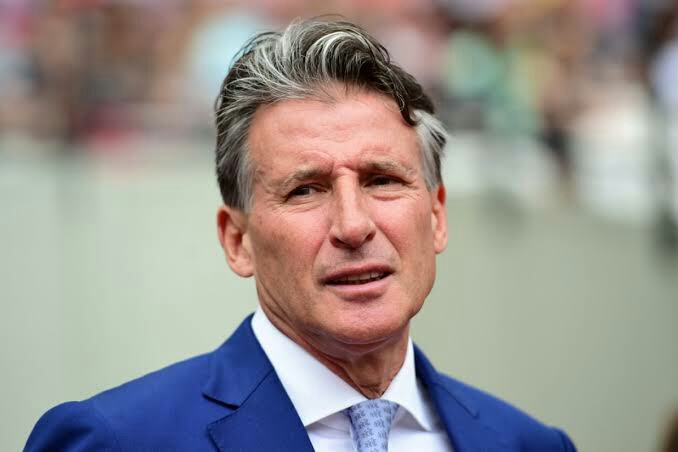
Sebastian Coe is Chancellor of Loughborough University Executive Chairman of CSM Sport and Entertainment and a member of the IOC Tokyo 2020 Coordination Committee and council member of the Association of Summer Olympic International Federations.

He was Chairman of the London 2012 Organising Committee for the Olympic and Paralympic Games, having previously been Chairman of the London 2012 bid company.
Seb set 12 world records during his athletics career.

At the Olympic Games in Moscow in 1980 he won gold in the 1500m and silver in the 800m, a feat which he repeated in Los Angeles in 1984.

He retired from competitive athletics in 1990 and became a Member of Parliament and Private Secretary to William Hague.
In 2002 he was made a Peer.

He received a Knighthood in the 2006 New Year’s Honours List and in 2013 received his Companion of Honour in recognition of the successful delivery of the Olympic and Paralympic Games in London. Seb is also a Laureu World Sport Academy Member.

The next world cup host 2022(Qatar)

Qatar made a bid for only the 2022 World Cup. Qatar was attempting to become the first Arab country to host the World Cup. Failed bids from other Arab countries include Morocco (1994, 1998, 2006 and 2010), Egypt and a Libya-Tunisia joint bid withdrew in the 2010 World Cup bidding process.

Sheikh Mohammed bin Hamad bin Khalifa Al-Thani, son of the former Emir of Qatar , was the chairman of the bid committee.Qatar planned to promote the bid as an Arab unity bid and hoped to draw on support from the entire Arab world and were positioning this as an opportunity to bridge the gap between the Arab and Western worlds.

The bid launched an advertising campaign across the nation in November 2009.
Some concerns with Qatar’s bid deal with the extreme temperatures.The World Cup is always held in the European off-season in June and July and during this period the average daytime high in most of Qatar is in excess of 40 °C (104 °F), with the average daily low temperatures not dropping below 30 °C (86 °F).

Sheikh Mohammed bin Hamad bin Khalifa al-Thani, the 2022 Qatar bid chairman, responded saying “the event has to be organised in June or July. We will have to take the help of technology to counter the harsh weather.

We have already set in motion the process. A stadium with controlled temperature is the answer to the problem. We have other plans up our sleeves as well.”The first five proposed stadiums are planned to employ cooling technology capable of reducing temperatures within the stadium by up to 20 degrees Celsius. Additionally, the upper tiers of the stadiums will be dis-assembled after the World Cup and donated to countries with less developed sports infrastructure.

President of FIFA Sepp Blatter endorsed the idea of having a World Cup in the Middle East, saying in April 2010, “The Arabic world deserves a World Cup. They have 22 countries and have not had any opportunity to organise the tournament.” Blatter also praised Qatar’s progress, “When I was first in Qatar there were 400,000 people here and now there are 1.6 million.

In terms of infrastructure, when you are able to organise the Asian Games (in 2006) with more than 30 events for men and women, then that is not in question.”Qatar’s bid to host the 2022 World Cup received a huge boost on 28 July 2010 when Asian Football Confederation (AFC) President Mohammed Bin Hammam threw his weight behind his country’s campaign.

Speaking in Singapore, Bin Hammam said: “I have one vote and, frankly speaking, I will vote for Qatar but if Qatar is not in the running I will vote for another Asian country.”Qatar has already hosted the AFC Asian Cup in 1988, FIFA U-20 World Cup 1995 and the 2011 AFC Asian Cup .